

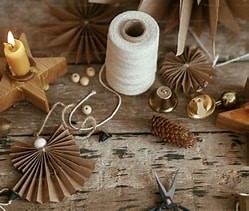
Craft books are more than creative inspiration. They’re teaching tools, visual guides, and invitations for readers to make something with their own hands. And that combination makes writing and editing a craft book very different from writing and editing other types of manuscripts.
If you’re writing a craft book and feeling overwhelmed, unsure, or stuck in revision, it’s not because you’re doing it wrong. It’s because craft books ask writers to juggle a lot at once—and that requires a specific kind of editorial support.
Here’s what makes writing and editing a craft book different, and why it matters for the final result.
- Craft Books Must Be Clear and Creative
A craft book needs to inspire readers—but it also needs to guide them step by step.
That means the writing has to balance:
- Creative voice and personal style
- Clear, logical instructions
- Language that works for a wide range of skill levels
Writing and editing a craft book isn’t about making the writing sound formal or “correct.” It’s about making sure readers can follow the process without losing the warmth and personality that drew them in.
- Instructions Are the Heart of the Book
In a craft book, unclear instructions don’t just confuse readers—they stop them from creating.
Writers and editors need to ask:
- Are steps presented in the right order?
- Is anything assumed that a beginner might not know?
- Are tools, materials, and techniques explained clearly?
- Does the pacing make sense for someone working with their hands?
This kind of writing and editing focuses on usability, not just language.
- Structure Matters More Than You Think
Craft books often include:
- Multiple projects
- Variations on techniques
- Skill progressions
- Sidebars, tips, and troubleshooting sections
Without strong structure, even beautiful projects can feel overwhelming.
Editing helps authors step back and see the big picture:
- Does the book build skills logically?
- Are projects grouped in a way that supports learning?
- Is there enough context to help readers succeed?
A well-structured craft book builds confidence—and keeps readers coming back.
- Visuals Shape the Writing and Editing Process
Craft books are highly visual, even before photos or illustrations are finalized.
Writing and Editing must consider:
- How text will work alongside images
- Whether instructions rely too heavily on visuals
- Where captions, callouts, or diagrams might be needed
- How readers will move between images and steps
Good craft book writing and editing anticipates how readers will actually use the book while they’re making something—not how every page reads.
- Consistency Builds Trust
Small inconsistencies can have a big impact in a craft book.
That includes:
- Terminology for tools and techniques
- Measurement formats and materials lists
- Project layouts and step labeling
- Tone and level of detail
Consistency helps readers feel supported and confident—especially when they’re trying something new.
- Craft Book Authors Are Often Creators First
Many craft book authors are artists, makers, teachers, or small business owners—not professional writers.
Writing and editing a craft book often includes:
- Translating expertise into accessible language
- Deciding what to include (and what to leave out)
- Coaching through self-doubt and revision fatigue
- Offering reassurance alongside honest feedback
This combination of editing and coaching is often what helps a craft book move from “almost there” to publishable.
Why Specialized Editing Makes a Difference
Craft books deserve editing that understands both instruction and creativity. Writers of craft books deserve that too.
When editing supports your voice, clarifies your process, and respects how readers will actually use your book, the result is a craft book that feels generous, empowering, and polished.
If you’re feeling stuck or unsure about your craft book, that’s not a failure—it’s a sign you’re ready for thoughtful, experienced support.
If you’re writing a craft book and want to learn more about how coaching and editing can support your project, you can find details about my work in the Services section at www.morningstareditingllc.com/. Leave a message on the blog or contact me using the Contact Us form. Let’s talk about how I can help you.